|
|
Vulnerability Assessment & Network Security Forums |
|||||||||
|
If through a vulnerability assessment, a network security issue is detected for the vulnerability below, applying the appropriate security patches in a timely matter is very important. If you have detected that your system has already been compromised, following CERT's Network Security recovery document will assist with recommended steps for system recovery. Home >> Browse Vulnerability Assessment Database >> Mandrake Local Security Checks >> MDKSA-2003:091: kdebase Vulnerability Assessment Details
|
MDKSA-2003:091: kdebase |
||
|
Check for the version of the kdebase package Detailed Explanation for this Vulnerability Assessment The remote host is missing the patch for the advisory MDKSA-2003:091 (kdebase). A vulnerability was discovered in all versions of KDE 2.2.0 up to and including 3.1.3. KDM does not check for successful completion of the pam_setcred() call and in the case of error conditions in the installed PAM modules, KDM may grant local root access to any user with valid login credentials. It has been reported to the KDE team that a certain configuration of the MIT pam_krb5 module can result in a failing pam_setcred() call which leaves the session alive and would provide root access to any regular user. It is also possible that this vulnerability can likewise be exploited with other PAM modules in a similar manner. Another vulnerability was discovered in kdm where the cookie session generating algorithm was considered too weak to supply a full 128 bits of entropy. This permited unauthorized users to brute-force the session cookie. mdkkdm, a specialized version of kdm, is likewise vulnerable to these problems and has been patched as well. Solution : http://wwwnew.mandriva.com/security/advisories?name=MDKSA-2003:091 Network Security Threat Level: High Networks Security ID: Vulnerability Assessment Copyright: This script is Copyright (C) 2004 Tenable Network Security |
||
|
Cables, Connectors |

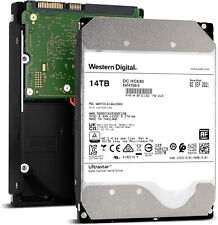
WD Ultrastar DC HC530 14TB SATA 6G 3.5" 7200RPM Enterprise HDD - WUH721414ALE604
$112.00
Western Digital 8TB Certified Refurbished My Book Hard Drive-RWDBBGB0080HBK-NESN
$99.99
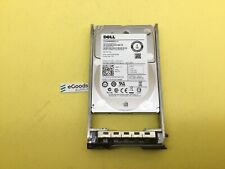
WF12F DELL 1TB 7.2K 6GBPS SATA 2.5'' HDD HARD DRIVE ST91000640NS 0WF12F
$25.00
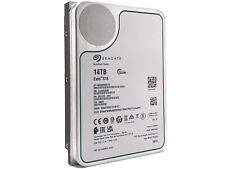
Seagate Exos X16 ST14000NM001G 14TB 512E SATA 6Gb/s 3.5" Enterprise Hard Drive
$157.99
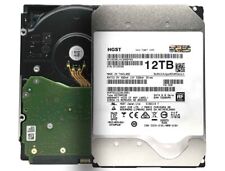
HGST Ultrastar DC HC520 12TB SATA 6Gb 256MB 3.5" Enterprise HDD- HUH721212ALE601
$89.99
Seagate Exos 7E10 ST2000NM000B 2TB 7200RPM SATA 6.0Gb/s 3.5" Internal Hard Drive
$29.99
HGST Ultrastar HE10 HUH721010ALE600 10TB SATA 6Gb/s 7200RPM 3.5" Enterprise HDD
$78.99
HP 4TB 3.5" 12Gb/s 7.2K SAS Hard Drive P/N: 793674-001 / 803634-001 / 695597-004
$14.87
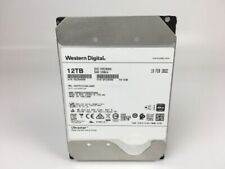
WD HDD Ultrastar DC HC520 HUH721212AL4205 12TB 3.5" SAS Server Hard Disk Drive
$45.32
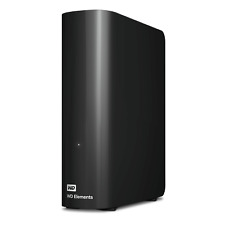
WD 16TB Elements Desktop, Certified Refurbished Hard Drive - RWDBWLG0160HBK-NESN
$174.99
|
||
|
No Discussions have been posted on this vulnerability. |