|
|
Vulnerability Assessment & Network Security Forums |
|||||||||
|
If through a vulnerability assessment, a network security issue is detected for the vulnerability below, applying the appropriate security patches in a timely matter is very important. If you have detected that your system has already been compromised, following CERT's Network Security recovery document will assist with recommended steps for system recovery. Home >> Browse Vulnerability Assessment Database >> Red Hat Local Security Checks >> RHSA-2003-395: gnupg Vulnerability Assessment Details
|
RHSA-2003-395: gnupg |
||
|
Check for the version of the gnupg packages Detailed Explanation for this Vulnerability Assessment Updated gnupg packages are now available for Red Hat Enterprise Linux. These updates disable the ability to generate ElGamal keys (used for both signing and encrypting) and disable the ability to use ElGamal public keys for encrypting data. GnuPG is a utility for encrypting data and creating digital signatures. Phong Nguyen identified a severe bug in the way GnuPG creates and uses ElGamal keys, when those keys are used both to sign and encrypt data. This vulnerability can be used to trivially recover the private key. While the default behavior of GnuPG when generating keys does not lead to the creation of unsafe keys, by overriding the default settings an unsafe key could have been created. If you are using ElGamal keys, you should revoke those keys immediately. The packages included in this update do not make ElGamal keys safe to use they merely include a patch by David Shaw that disables functions that would generate or use ElGamal keys. To acertain if your key is affected, run the following command to obtain a list of secret keys that you have on your secret keyring: gpg --list-secret-keys The output of this command includes both the size and type of the keys found, and will look similar to this example: /home/example/.gnupg/secring.gpg ---------------------------------------------------- sec 1024D/01234567 2000-10-17 Example User uid Example User The key length, type, and ID are listed together, separated by a forward slash. In the example output above, the key's type is "D" (DSA, sign and encrypt). Your key is unsafe if and only if the key type is "G" (ElGamal, sign and encrypt). In the above example, the secret key is safe to use, while the secret key in the following example is not: /home/example/.gnupg/secring.gpg ---------------------------------------------------- sec 1024G/01234567 2000-10-17 Example User uid Example User For more details regarding this issue, as well as instructions on how to revoke any keys that are unsafe, refer to the advisory available from the GnuPG web site: http://www.gnupg.org/ Solution : http://rhn.redhat.com/errata/RHSA-2003-395.html Network Security Threat Level: High Networks Security ID: Vulnerability Assessment Copyright: This script is Copyright (C) 2004 Tenable Network Security |
||
|
Cables, Connectors |

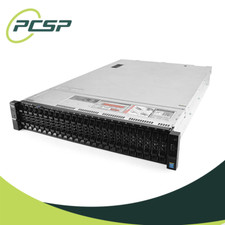
Dell PowerEdge R730XD 28 Core Server 2X Xeon E5-2680 V4 H730 32GB RAM No HDD
$378.93
Dell EMC PowerEdge R440 Xeon silver 4215 2.5GHz 16 GB ram 2x 550W PSU No HDD
$275.00
Dell Poweredge R630 2x Xeon E5-2680 v3 2.5ghz 24-Cores / 64gb / Raid / 2x 1Tb
$374.99

Dell PowerEdge R240 Intel Xeon E-2224 3.50GHz 8GB DDR4 ECC NO HDD 250W
$285.97
Dell Poweredge R810 4x Xeon X7560 2.26ghz 32-Cores | 256GB | 3x Trays | H700
$289.99
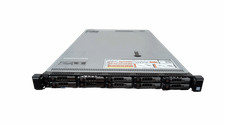
Dell Poweredge R630 2x Xeon E5-2680 v3 2.5ghz 24-Core | HBA330 | No RAM or HDD
$149.99
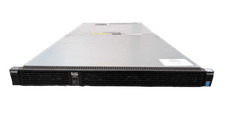
Dell PowerEdge C4130 1U AI GPU Server | 2x E5-2680 v3 | 32gb Ram | 2x 1600W
$409.99
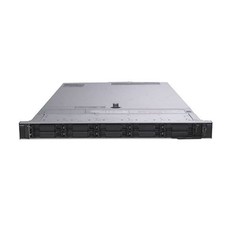
Dell PowerEdge R640 10SFF 2x Gold 6140 2.3GHz 36-Cores 64gb H730p 2x Trays
$599.99
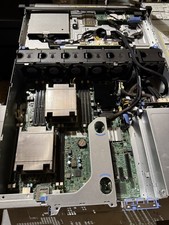
Dell PowerEdge R530 2x E5-2630v4 H330 iDRAC8 Port Card Riser No PSU/RAM/HDD
$99.99
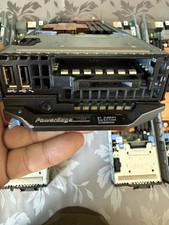
Dell PowerEdge FC430 Blade Server 2x Xeon E5-2630v4 20 Cores FX2 FX2s No RAM/HDD
$119.99
|
||
|
No Discussions have been posted on this vulnerability. |