|
|
Vulnerability Assessment & Network Security Forums |
|||||||||
|
If through a vulnerability assessment, a network security issue is detected for the vulnerability below, applying the appropriate security patches in a timely matter is very important. If you have detected that your system has already been compromised, following CERT's Network Security recovery document will assist with recommended steps for system recovery. Home >> Browse Vulnerability Assessment Database >> Debian Local Security Checks >> [DSA866] DSA-866-1 mozilla Vulnerability Assessment Details
|
[DSA866] DSA-866-1 mozilla |
||
|
DSA-866-1 mozilla Detailed Explanation for this Vulnerability Assessment Several security-related problems have been discovered in Mozilla and derived programs. The Common Vulnerabilities and Exposures project identifies the following problems: Tom Ferris discovered a bug in the IDN hostname handling of Mozilla that permits remote attackers to cause a denial of service and possibly execute arbitrary code via a hostname with dashes. A buffer overflow permits remote attackers to execute arbitrary code via an XBM image file that ends in a large number of spaces instead of the expected end tag. Mats Palmgren discovered a buffer overflow in the Unicode string parser that permits a specially crafted Unicode sequence to overflow a buffer and cause arbitrary code to be executed. Remote attackers could spoof HTTP headers of XML HTTP requests via XMLHttpRequest and possibly use the client to exploit vulnerabilities in servers or proxies. Remote attackers could spoof DOM objects via an XBL control that implements an internal XPCOM interface. Georgi Guninski discovered an integer overflow in the JavaScript engine that might permit remote attackers to execute arbitrary code. Remote attackers could execute Javascript code with chrome rights via an about: page such as about:mozilla. Remote attackers could spawn windows without user interface components such as the address and status bar that could be used to conduct spoofing or phishing attacks. Peter Zelezny discovered that shell metacharacters are not properly escaped when they are passed to a shell script and permit the execution of arbitrary commands, e.g. when a malicious URL is automatically copied from another program into Mozilla as default browser. For the stable distribution (sarge) these problems have been fixed in version 1.7.8-1sarge3. For the unstable distribution (sid) these problems have been fixed in version 1.7.12-1. We recommend that you upgrade your mozilla package. Solution : http://www.debian.org/security/2005/dsa-866 Network Security Threat Level: High Networks Security ID: Vulnerability Assessment Copyright: This script is (C) 2007 Michel Arboi |
||
|
Cables, Connectors |

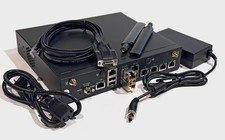
OPNsense pfSense 8-Core Atom C3758 2.2GHz 8GB DDR4 64GB SSD 8x NIC QAT AES VPN
$155.00
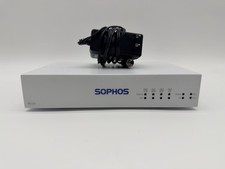
Sophos SG 115 rev.3 Firewall Security Appliance SG1153BAEUS + OPNsense
$85.00
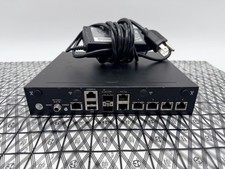
pfSense Firewall 16-Core Atom C3958 8GB DDR4 RAM 64GB SSD 8x 1Gbe QAT AES-NI VPN
$184.99
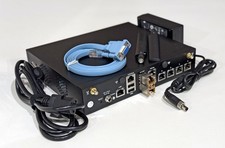
OPNsense pfSense 16-Core Atom C3958 16GB ECC RAM 512GB SSD 8-Port QAT AES-NI VPN
$248.00

Fortinet FortiGate 60F FG-60F P24286-03-13 Network Firewall Security Appliance
$155.75
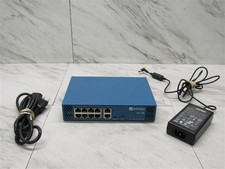
Palo Alto PA-220 Next-Gen Firewall 520-000309-00J
$40.00
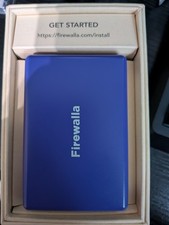
Firewalla Purple SE Cyber Security Firewall Home Business VPN…
$215.00
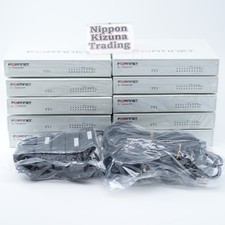
Fortinet FortiGate 60F FG-60F UTM UTP License Until 2027 Network Security FW VPN
$239.99

SonicWall TZ280 Firewall 03-SSC-6933 Advanced Edition 3YR NEW SEALED
$999.99
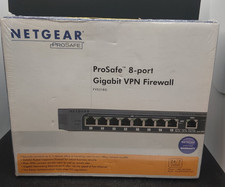
NETGEAR ProSafe 8-Port Gigabit VPN Firewall FVS318G NEW IN BOX
$69.99
|
||
|
No Discussions have been posted on this vulnerability. |