|
|
Vulnerability Assessment & Network Security Forums |
|||||||||
|
If through a vulnerability assessment, a network security issue is detected for the vulnerability below, applying the appropriate security patches in a timely matter is very important. If you have detected that your system has already been compromised, following CERT's Network Security recovery document will assist with recommended steps for system recovery. Home >> Browse Vulnerability Assessment Database >> Ubuntu Local Security Checks >> USN179-1 : openssl weak default configuration Vulnerability Assessment Details
|
USN179-1 : openssl weak default configuration |
||
|
openssl weak default configuration Detailed Explanation for this Vulnerability Assessment Summary : These remote packages are missing security patches : - libssl-dev - libssl0.9.7 - openssl Description : The current default algorithm for creating "message digests" (electronic signatures) for certificates created by openssl is MD5. However, this algorithm is not deemed secure any more, and some practical attacks have been demonstrated which could permit a possible hacker to forge certificates with a valid certification authority signature even if he does not know the secret CA signing key. Therefore all Ubuntu versions of openssl have now been changed to use SHA-1 by default. This is a more appropriate default algorithm for the majority of use cases however, if you still want to use MD5 as default, you can revert this change by changing the two instances of "default_md = sha1" to "default_md = md5" in /etc/ssl/openssl.cnf. A detailed explanation and further links can be found at http://www.cits.rub.de/MD5Collisions/ Solution : Upgrade to : - libssl-dev-0.9.7e-3ubuntu0.1 (Ubuntu 5.04) - libssl0.9.7-0.9.7e-3ubuntu0.1 (Ubuntu 5.04) - openssl-0.9.7e-3ubuntu0.1 (Ubuntu 5.04) Network Security Threat Level: High Networks Security ID: Vulnerability Assessment Copyright: Ubuntu Security Notice (C) 2005 Canonical, Inc. / NASL script (C) 2005 Michel Arboi |
||
|
Cables, Connectors |

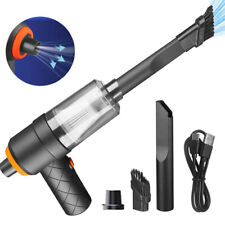
Electric Vacuum Cleaner Air Duster Suction High Pressure for Computer Car Home
$9.97

Electric Mini Air Duster Blower Vacuum Cleaner for PC Computer Laptop Dust
$30.95

Compressed Air Duster with Air Blower 100000RPM Vacuum Cleaner and Air Duster
$38.99
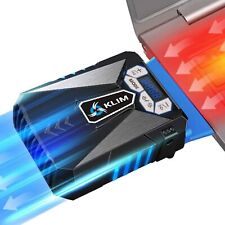
KLIM Cool Laptop Cooler Fan, Portable Quiet Cooling Vacuum w/Display - BLUE LED
$15.95

Electric Vacuum Cleaner Air Duster Suction High Pressure for Computer Car Home
$10.87
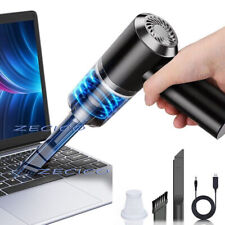
Mini Computer Vacuum USB Keyboard Cleaner PC Laptop Brush Dust Cleaning Kit US
$13.68
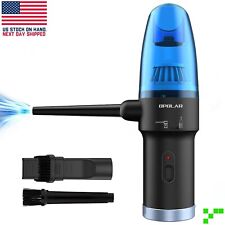
2-In-1 Air Duster & Vacuum 60000 RPM Rechargeable Auto Computer Keyboard USB
$26.95

Electric Mini Cordless Air Duster Blower Vacuum Cleaner for Computer/CarCleaning
$17.58
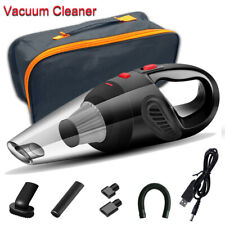
Portable Cordless Hand Held Vacuum Cleaner Wet Dry Car Auto Home Duster w/ Bag
$24.98
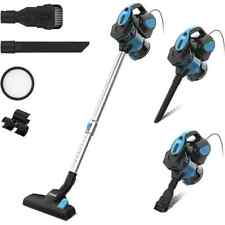
Vacuum Cleaner Corded INSE I5 18Kpa Powerful Suction 600W Motor Stick Handheld
$135.00
|
||
|
No Discussions have been posted on this vulnerability. |