|
|
Vulnerability Assessment & Network Security Forums |
|||||||||
|
If through a vulnerability assessment, a network security issue is detected for the vulnerability below, applying the appropriate security patches in a timely matter is very important. If you have detected that your system has already been compromised, following CERT's Network Security recovery document will assist with recommended steps for system recovery. Home >> Browse Vulnerability Assessment Database >> Red Hat Local Security Checks >> RHSA-2007-0044: bind Vulnerability Assessment Details
|
RHSA-2007-0044: bind |
||
|
Check for the version of the bind packages Detailed Explanation for this Vulnerability Assessment Updated bind packages that fix a security issue and a bug are now available. This update has been rated as having moderate security impact by the Red Hat Security Response Team. ISC BIND (Berkeley Internet Name Domain) is an implementation of the DNS (Domain Name System) protocols. A flaw was found in the way BIND processed certain DNS query responses. On servers that had enabled DNSSEC validation, this could permit an remote attacker to cause a denial of service. (CVE-2007-0494) For users of Red Hat Enterprise Linux 3, the previous BIND update caused an incompatible change to the default configuration that resulted in rndc not sharing the key with the named daemon. This update corrects this bug and restores the behavior prior to that update. Updating the bind package in Red Hat Enterprise Linux 3 could result in nonfunctional configuration in case the bind-libs package was not updated. This update corrects this bug by adding the correct dependency on bind-libs. Users of BIND are advised to upgrade to these updated packages, which contain backported patches to correct these issues. Solution : http://rhn.redhat.com/errata/RHSA-2007-0044.html Network Security Threat Level: High Networks Security ID: Vulnerability Assessment Copyright: This script is Copyright (C) 2007 Tenable Network Security |
||
|
Cables, Connectors |

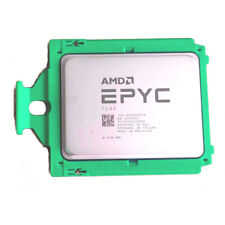
AMD EPYC 7282 CPU Processor 16 Cores 32 Threads 2.8GHZ up to 3.2GHZ 120W no lock
$76.00

Intel - Core i7-12700K Desktop Processor 12 (8P+4E) Cores up to 5.0 GHz Unloc...
$419.99

AMD Ryzen 9 5950X 16-core 32-thread Desktop Processor
$319.99

Intel - Core i9-12900K Desktop Processor 16 (8P+8E) Cores up to 5.2 GHz Unloc...
$619.99
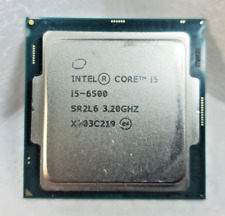
Intel Core i5-6500 3.2GHz 6MB SR2L6 / SR2BX Skt. FCLGA1151 Desktop Processor CPU
$24.50
Intel Xeon E5-2697A V4 2.6GHz CPU Processor 16-Core Socket LGA2011 SR2K1
$39.99

Intel Core i7-14700K Unlocked Desktop Processor
$409.99

Intel Core i5-12600KF Desktop Processor 10 (6P+4E) Cores up to 4.9 GHz Unlocked.
$145.59
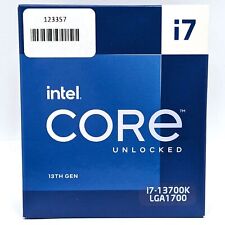
Intel Core i7-13700K 3.40GHz 16-Core CPU LGA1700 BX8071513700K
$339.99
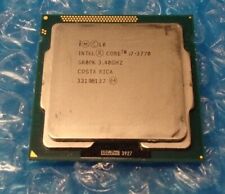
Intel Core i7-3770 3.40GHz 8MB Quad Core Socket LGA1155 CPU Processor SR0PK
$35.00
|
||
|
No Discussions have been posted on this vulnerability. |