|
|
Vulnerability Assessment & Network Security Forums |
|||||||||
|
If through a vulnerability assessment, a network security issue is detected for the vulnerability below, applying the appropriate security patches in a timely matter is very important. If you have detected that your system has already been compromised, following CERT's Network Security recovery document will assist with recommended steps for system recovery. Home >> Browse Vulnerability Assessment Database >> Red Hat Local Security Checks >> RHSA-2006-0608: seamonkey Vulnerability Assessment Details
|
RHSA-2006-0608: seamonkey |
||
|
Check for the version of the seamonkey packages Detailed Explanation for this Vulnerability Assessment Updated seamonkey packages that fix several security bugs are now available for Red Hat Enterprise Linux 3. This update has been rated as having critical security impact by the Red Hat Security Response Team. SeaMonkey is an open source Web browser, advanced email and newsgroup client, IRC chat client, and HTML editor. Several flaws were found in the way SeaMonkey processed certain javascript actions. A malicious web page could execute arbitrary javascript instructions with the permissions of "chrome", permiting the page to steal sensitive information or install browser malware. (CVE-2006-3807, CVE-2006-3809, CVE-2006-3812) Several denial of service flaws were found in the way SeaMonkey processed certain web content. A malicious web page could crash the browser or possibly execute arbitrary code as the user running SeaMonkey. (CVE-2006-3801, CVE-2006-3677, CVE-2006-3113, CVE-2006-3803, CVE-2006-3805, CVE-2006-3806, CVE-2006-3811) A buffer overflow flaw was found in the way SeaMonkey Messenger displayed malformed inline vcard attachments. If a victim viewed an email message containing a carefully crafted vcard, it was possible to execute arbitrary code as the user running SeaMonkey Messenger. (CVE-2006-3804) Several flaws were found in the way SeaMonkey processed certain javascript actions. A malicious web page could conduct a cross-site scripting attack or steal sensitive information (such as cookies owned by other domains). (CVE-2006-3802, CVE-2006-3810) A flaw was found in the way SeaMonkey processed Proxy AutoConfig scripts. A malicious Proxy AutoConfig server could execute arbitrary javascript instructions with the permissions of "chrome", permiting the page to steal sensitive information or install browser malware. (CVE-2006-3808) Users of SeaMonkey are advised to upgrade to this update, which contains SeaMonkey version 1.0.3 that corrects these issues. Solution : http://rhn.redhat.com/errata/RHSA-2006-0608.html Network Security Threat Level: High Networks Security ID: Vulnerability Assessment Copyright: This script is Copyright (C) 2006 Tenable Network Security |
||
|
Cables, Connectors |


A-Tech 8GB DDR3 1600 PC3-12800 Laptop SODIMM 204-Pin Memory RAM PC3L DDR3L 1x 8G
$13.99
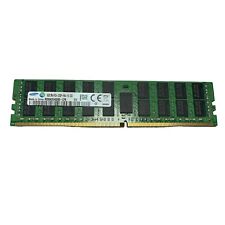
Samsung 16GB 2Rx4 PC4-2133P DDR4-17000 1.2V RDIMM ECC Registered Server Memory
$16.29

Samsung 16GB (2x8GB) DDR4 2400MHz PC4-19200 Desktop RAM Memory M378A1K43CB2-CRC
$19.95

HyperX FURY DDR3 8GB 16GB 32GB 1600 MHz PC3-12800 Desktop RAM Memory DIMM 240pin
$12.90
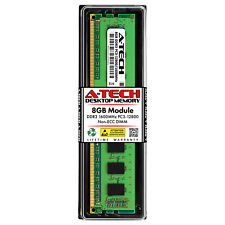
A-Tech 8GB PC3-12800 Desktop DDR3 1600 MHz Non ECC 240-Pin DIMM Memory RAM 1x 8G
$13.99
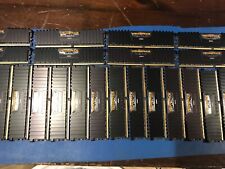
Corsair Vengeance LPX 32GB PC4-25600 (DDR4-3200) Memory NEVER USED LOOSE STICKS
$40.00
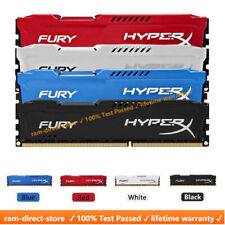
Kingston HyperX FURY DDR3 8GB 16GB 32G 1600 1866 1333 Desktop Memory RAM DIMM
$13.25
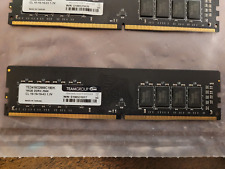
TeamGroup 16GB PC4 2666 PC4 21300 DDR4 2666MHz 1.2V CL19 Desktop RAM Memory
$27.95
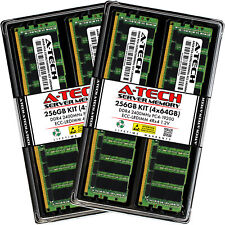
A-Tech 256GB 4x 64GB 4Rx4 PC4-19200 ECC Load Reduced LRDIMM Server Memory RAM
$287.96
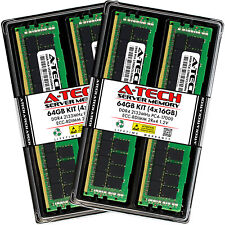
A-Tech 64GB 4x 16GB 2Rx4 PC4-17000R DDR4 2133MHz ECC REG RDIMM Server Memory RAM
$87.96
|
||
|
No Discussions have been posted on this vulnerability. |