|
|
Vulnerability Assessment & Network Security Forums |
|||||||||
|
If through a vulnerability assessment, a network security issue is detected for the vulnerability below, applying the appropriate security patches in a timely matter is very important. If you have detected that your system has already been compromised, following CERT's Network Security recovery document will assist with recommended steps for system recovery. Home >> Browse Vulnerability Assessment Database >> Gentoo Local Security Checks >> [GLSA-200407-11] wv: Buffer overflow vulnerability Vulnerability Assessment Details
|
[GLSA-200407-11] wv: Buffer overflow vulnerability |
||
|
wv: Buffer overflow vulnerability Detailed Explanation for this Vulnerability Assessment The remote host is affected by the vulnerability described in GLSA-200407-11 (wv: Buffer overflow vulnerability) A use of strcat without proper bounds checking leads to an exploitable buffer overflow. The vulnerable code is executed when wv encounters an unrecognized token, so a specially crafted file, loaded in wv, can trigger the vulnerable code and execute it's own arbitrary code. This exploit is only possible when the user loads the document into HTML view mode. Impact By inducing a user into running wv on a special file, a possible hacker can execute arbitrary code with the permissions of the user running the vulnerable program. Workaround Users should not view untrusted documents with wvHtml or applications using wv. When loading an untrusted document in an application using the wv library, make sure HTML view is disabled. References: http://www.idefense.com/application/poi/display?id=115&type=vulnerabilities&flashstatus=true Solution: All users should upgrade to the latest available version. # emerge sync # emerge -pv ">=app-text/wv-1.0.0-r1" # emerge ">=app-text/wv-1.0.0-r1" Network Security Threat Level: Medium Networks Security ID: Vulnerability Assessment Copyright: (C) 2005 Michel Arboi |
||
|
Cables, Connectors |

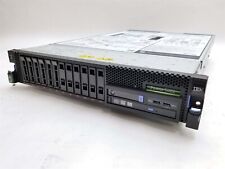
IBM Power S822 12-Bay Server System Power8 Core 3.42Ghz DVD-Rom Drive 64GB No HD
$399.99
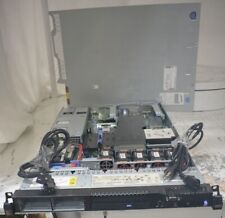
IBM 7944AC1 System x3550 M3 Server 1*Intel Xeon X5650 2.67GHz 4GB SEE NOTES
$27.25
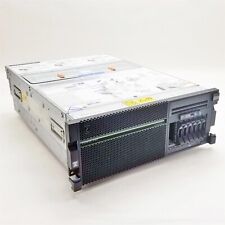
IBM Power 740 8205-E6C Express 8-SFF Power7 3.55GHz CPU 64GB RAM *No HDD* Server
$191.99
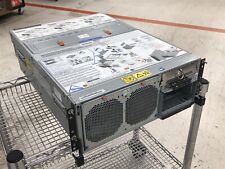
IBM Power 720 POWER7 00E6516 3.6GHz CPU 64GB RAM Server
$209.98
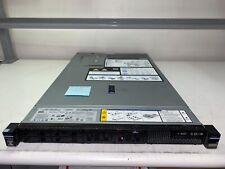
IBM LENOVO SYSTEM X 3550 M5 2x XEON E5-2640 V4 CPUs NO RAM NO DRIVES 1U RACK
$199.99
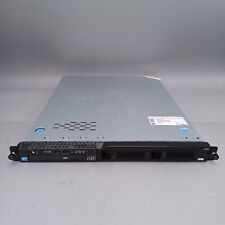
IBM System x3250 M4 Server Intel Xeon E3-1220 3.10GHz 8GB RAM No HDDs
$65.02
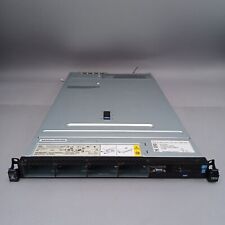
IBM System x3550 M4 Server 2 x Intel Xeon E5-2609 36GB RAM No HDDs
$89.99
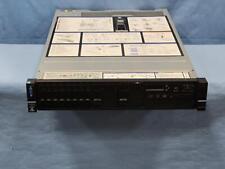
IBM Lenovo X3650 M5 2U 8x 2.5” CTO Rack Server – 2x HS, 2x 750W
$199.00
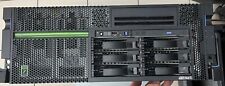
IBM 8203 E4A p520 Server 8203-E4A 4.2GHz 2-Core POWER6 32GB RAM / NO HDD USED
$99.99
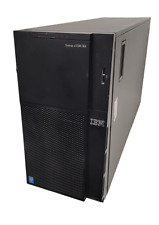
IBM System X3500 M4 7383AC1 (E5-2650 v2 2.60GHz - 192GB RAM - M2000 - NO OS/HDD)
$264.92
|
||
|
No Discussions have been posted on this vulnerability. |