|
|
Vulnerability Assessment & Network Security Forums |
|||||||||
|
If through a vulnerability assessment, a network security issue is detected for the vulnerability below, applying the appropriate security patches in a timely matter is very important. If you have detected that your system has already been compromised, following CERT's Network Security recovery document will assist with recommended steps for system recovery. Home >> Browse Vulnerability Assessment Database >> Gentoo Local Security Checks >> [GLSA-200406-22] Pavuk: Remote buffer overflow Vulnerability Assessment Details
|
[GLSA-200406-22] Pavuk: Remote buffer overflow |
||
|
Pavuk: Remote buffer overflow Detailed Explanation for this Vulnerability Assessment The remote host is affected by the vulnerability described in GLSA-200406-22 (Pavuk: Remote buffer overflow) When Pavuk connects to a web server and the server sends back the HTTP status code 305 (Use Proxy), Pavuk copies data from the HTTP Location header in an unsafe manner. This bug was discovered by Ulf Harnhammar of the Debian Security Audit Project. Impact A possible hacker could cause a stack-based buffer overflow which could lead to arbitrary code execution with the rights of the user running Pavuk. Workaround There is no known workaround at this time. All users are encouraged to upgrade to the latest available version. Solution: All Pavuk users should upgrade to the latest stable version: # emerge sync # emerge -pv ">=net-misc/pavuk-0.9.28-r2" # emerge ">="net-misc/pavuk-0.9.28-r2 Network Security Threat Level: High Networks Security ID: Vulnerability Assessment Copyright: (C) 2005 Michel Arboi |
||
|
Cables, Connectors |

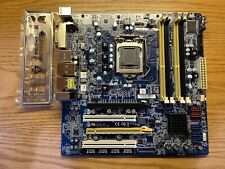
***NEW*** BCM RX67Q Gaming Motherboard | Intel Q67 2nd/3rd Gen. | LGA1155 | DDR3
$29.77
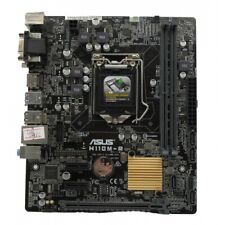
ASUS H110M-R Motherboard Intel 6th/7th Gen LGA1151 DDR4 Micro-ATX i/o shield
$42.00
GIGABYTE B560M DS3H AC LGA1200 Intel B560 SATA 6Gb/s Micro ATX Intel Motherboard
$64.99
Asus Prime H310M-A R2.0 Intel LGA 1151 DDR4 Desktop Motherboard
$46.99
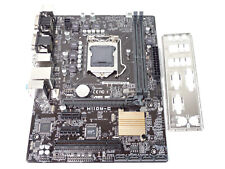
Micro ATX Desktop Motherboard ASUS H110M-C LGA 1151
$31.95
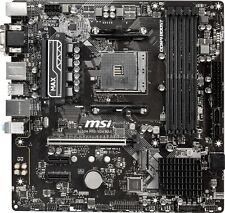
MSI B450M PRO-VDH MAX AM4 AMD B450 USB3.2 Micro-ATX Motherboard
$67.99

Gigabyte AMD B550 UD AC Gaming Motherboard - AMD B550 Chipset - AM4 Socket - AMD
$89.99
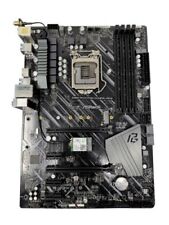
Asrock Z390 Phantom Gaming 4S/AC Wifi 8th/9th Gen Intel 1151 Motherboard Bulk
$48.70
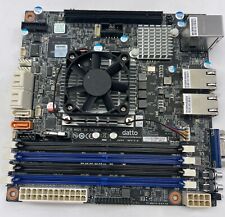
GIGABYTE MB10-Datto Motherboard Xeon D-1521- SR2DF 2.40 GHz- Open Box
$112.00
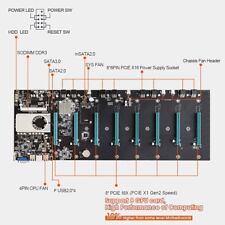
BTC-S37 Mining Motherboard Kit /w SSD & Ram Preinstalled
$59.99
|
||
|
No Discussions have been posted on this vulnerability. |