|
|
Vulnerability Assessment & Network Security Forums |
|||||||||
|
If through a vulnerability assessment, a network security issue is detected for the vulnerability below, applying the appropriate security patches in a timely matter is very important. If you have detected that your system has already been compromised, following CERT's Network Security recovery document will assist with recommended steps for system recovery. Home >> Browse Vulnerability Assessment Database >> Gentoo Local Security Checks >> [GLSA-200406-13] Squid: NTLM authentication helper buffer overflow Vulnerability Assessment Details
|
[GLSA-200406-13] Squid: NTLM authentication helper buffer overflow |
||
|
Squid: NTLM authentication helper buffer overflow Detailed Explanation for this Vulnerability Assessment The remote host is affected by the vulnerability described in GLSA-200406-13 (Squid: NTLM authentication helper buffer overflow) Squid is a full-featured Web Proxy Cache designed to run on Unix systems. It supports proxying and caching of HTTP, FTP, and other URLs, as well as SSL support, cache hierarchies, transparent caching, access control lists and many other features. Impact If Squid is configured to use NTLM authentication, a possible hacker could exploit this vulnerability by sending a very long password. This could lead to arbitrary code execution with the permissions of the user running Squid. Workaround There is no known workaround at this time. All users are encouraged to upgrade to the latest available version. References: http://cve.mitre.org/cgi-bin/cvename.cgi?name=CVE-2004-0541 Solution: All Squid users should upgrade to the latest stable version: # emerge sync # emerge -pv ">=www-proxy/squid-2.5.5-r2" # emerge ">=www-proxy/squid-2.5.5-r2" Network Security Threat Level: High Networks Security ID: Vulnerability Assessment Copyright: (C) 2005 Michel Arboi |
||
|
Cables, Connectors |


NOS Super Rare IMSAI Metal Name Plate Emblem Badge, Vintage Computer, 1 1/8 x 2”
$50.00

Vintage Apple Lisa Brochure, very nice condition
$50.00
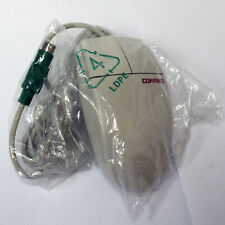
Vintage Compaq 141649-004 2 Button PS/2 Gray Mouse M-S34 - FAST SHIPPING - NEW
$8.99
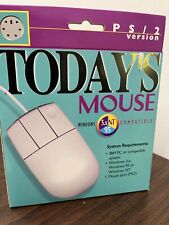
Vintage Computer Mouse - Todays Mouse - Windows 95 P S/2
$9.99
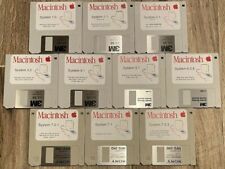
Vintage Classic Apple Macintosh System Boot Install Disk Floppy/CD *Pick Version
$10.39
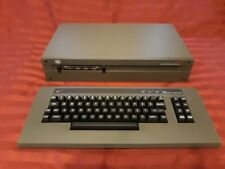
Z80 - NABU PC & Keyboard - Vintage New Old Stock (Retro 80's)
$139.99

Drakware ADB2USB - vintage Apple ADB to USB keyboard adapter
$29.95

Vintage Black Microsoft intellimouse Optical USB Wheel Mouse 1.1/1.1a - EXC COND
$28.95
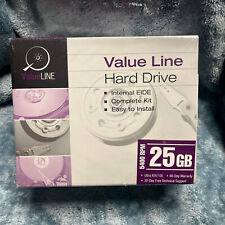
SEALED Vintage Western Digital Value Line Hard Drive 3.5-Inch Enhanced IDE 25 GB
$100.00
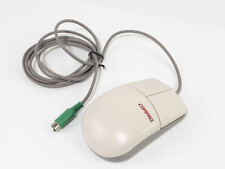
Vintage Compaq Presario Mouse, Model MUS9J, PS/2 - Tested & Working, Very Good
$12.99
|
||
|
No Discussions have been posted on this vulnerability. |