|
|
Vulnerability Assessment & Network Security Forums |
|||||||||
|
If through a vulnerability assessment, a network security issue is detected for the vulnerability below, applying the appropriate security patches in a timely matter is very important. If you have detected that your system has already been compromised, following CERT's Network Security recovery document will assist with recommended steps for system recovery. Home >> Browse Vulnerability Assessment Database >> Debian Local Security Checks >> [DSA667] DSA-667-1 squid Vulnerability Assessment Details
|
[DSA667] DSA-667-1 squid |
||
|
DSA-667-1 squid Detailed Explanation for this Vulnerability Assessment Several vulnerabilities have been discovered in Squid, the internet object cache, the popular WWW proxy cache. The Common Vulnerabilities and Exposures project identifies the following vulnerabilities: LDAP is very forgiving about spaces in search filters and this could be abused to log in using several variants of the login name, possibly bypassing explicit access controls or confusing accounting. Cache pollution/poisoning via HTTP response splitting has been discovered. The meaning of the access controls becomes somewhat confusing if any of the referenced ACLs (access control lists) is declared empty, without any members. The length argument of the WCCP recvfrom() call is larger than it should be. A possible hacker may send a larger than normal WCCP packet that could overflow a buffer. For the stable distribution (woody) these problems have been fixed in version 2.4.6-2woody6. For the unstable distribution (sid) these problems have been fixed in version 2.5.7-7. We recommend that you upgrade your squid package. Solution : http://www.debian.org/security/2005/dsa-667 Network Security Threat Level: High Networks Security ID: Vulnerability Assessment Copyright: This script is (C) 2005 Michel Arboi |
||
|
Cables, Connectors |

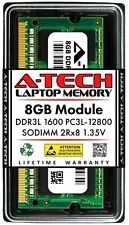
A-Tech 8GB DDR3 1600 PC3-12800 Laptop SODIMM 204-Pin Memory RAM PC3L DDR3L 1x 8G
$13.99
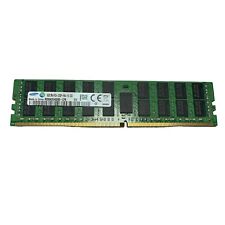
Samsung 16GB 2Rx4 PC4-2133P DDR4-17000 1.2V RDIMM ECC Registered Server Memory
$15.49
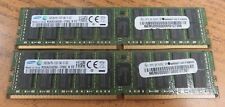
Samsung 2 x 16GB DDR4 2Rx4 PC4-2133P-R Server Memory ECC Reg RDIMM M393A2G40DB0
$29.99
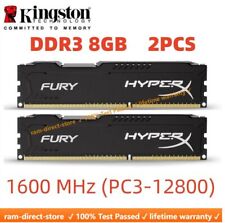
HyperX FURY DDR3 8GB 16GB 32GB 1600 MHz PC3-12800 Desktop RAM Memory DIMM 240pin
$12.90
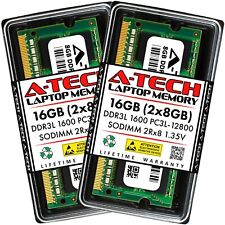
A-Tech 16GB 2 x 8GB PC3-12800 Laptop SODIMM DDR3 1600 Memory RAM PC3L 16G DDR3L
$27.98
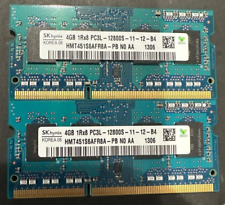
SK Hynix 8GB (2x4GB) 1Rx8 PC3L-12800 DDR3-1600MHz Laptop Memory HMT451S6AFR8A-PB
$8.25
Crucial 64GB Kit (2 x 32GB) DDR4-3200 SODIMM Memory
$110.00
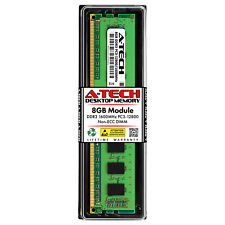
A-Tech 8GB PC3-12800 Desktop DDR3 1600 MHz Non ECC 240-Pin DIMM Memory RAM 1x 8G
$13.99
A-Tech 256GB 4x 64GB 4Rx4 PC4-19200 ECC Load Reduced LRDIMM Server Memory RAM
$287.96
A-Tech 256GB 8x 32GB 4Rx4 PC4-17000L DDR4 2133 MHz ECC LRDIMM Server Memory RAM
$319.92
|
||
|
No Discussions have been posted on this vulnerability. |